MPs warned of threat to charities after Budget
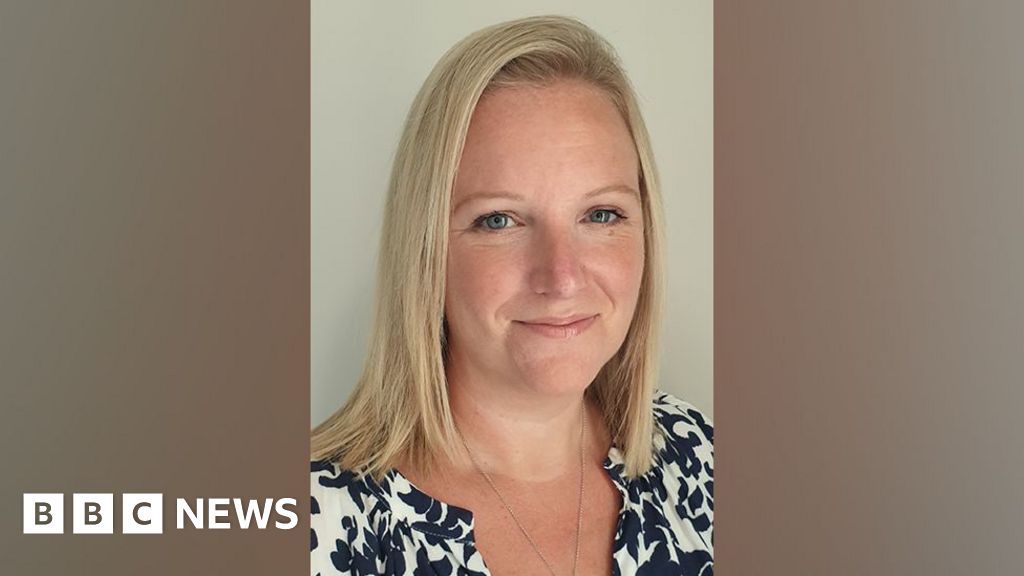
Community Action Suffolk boss Hannah Reid has written to the county’s MPs to warn them of possible job cuts and loss of services following the budget
Zoe Applegate
BBC News, Suffolk
A Suffolk group that supports charities has warned local MPs some businesses could close and nearly 90 jobs could be lost following the autumn Budget.
Community Action Suffolk (CAS), based in Ipswich, provides advice and support to voluntary, community, faith and social enterprise businesses across the county.
It said it had written to every Suffolk MP on behalf of 29 groups, telling them the budget “may have gone a step too far” as the impact of employers’ National Insurance contributions (NICs) changes could cost the local charity sector an extra £2.33m.
HM Treasury said in a statement its tax regime for charities was “one of the most generous anywhere in the world”.
Some charities fear the NICs changes will drive up staff costs by too much and put pressure on the need to do extra fundraising to make up shortfalls.
Exemptions currently apply to the NHS and other public sector businesses.
A separate open letter, organised by the National Council for Voluntary Businesses, was sent to the Treasury last week.
CAS chief executive Hannah Reid said she feared the financial challenge would be too much for some charities that provide “vital services keeping Suffolk residents safe and well”.
Some of these businesses helped to reduce pressure on other public services, including the NHS, she added.
She said 54 businesses answered a CAS survey estimating the changes could cost up to 88 jobs and thereby “drastically reducing the services they are able to provide”.
Following the budget, delivered on 30 October, the groups could have to bear an additional cost of £2.33m for 2025-26, CAS said.
‘Rising demand’
“We already run some of the leanest businesses in the county having made every possible saving in recent years to cope with an increasingly challenging financial environment,” said Ms Reid.
“We have been continuously vocal in recent times of the challenges our sector already faces, with rising demand and complexity of such demand.
“Funding cuts and reduced public giving, escalating costs and